
Deputy Minister for Finance, Thomas Nyarko Ampem, has called for increased mobilisation of private capital to finance Ghana's climate investment needs, saying public and concessional resources must be strategically deployed to attract more investment into climate-related projects.
Speaking at the Green Climate Fund (GCF) Regional Dialogue for West and Central Africa in Accra, he said Ghana could no longer rely solely on public financing to meet the scale of investment required to address climate change and support sustainable economic development.
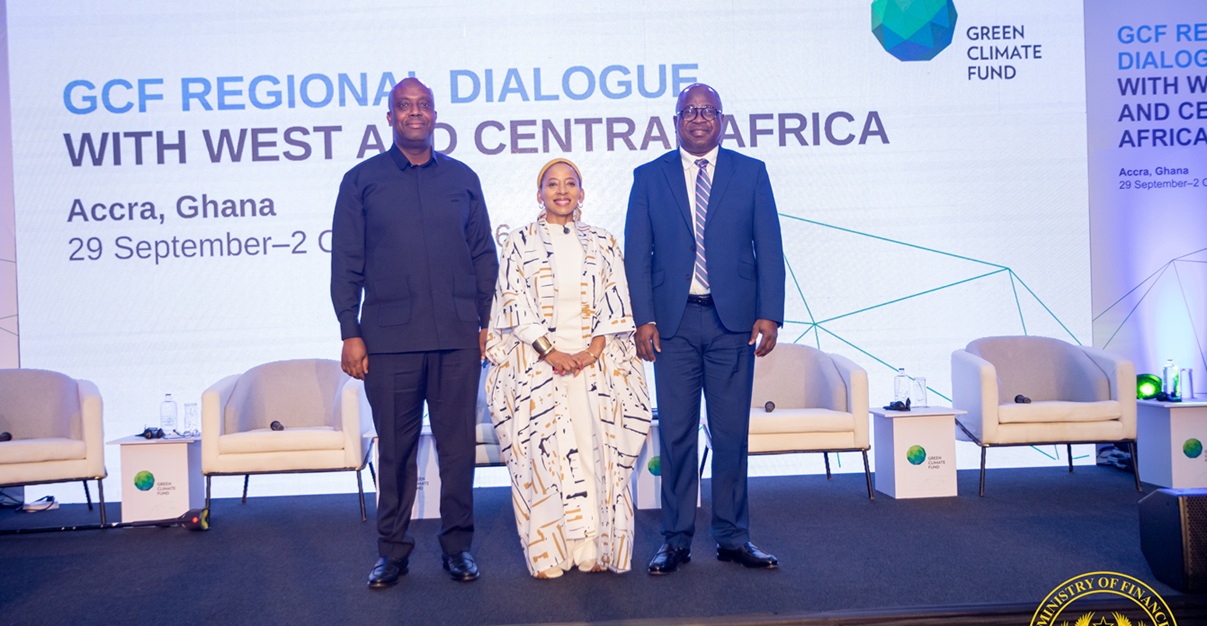
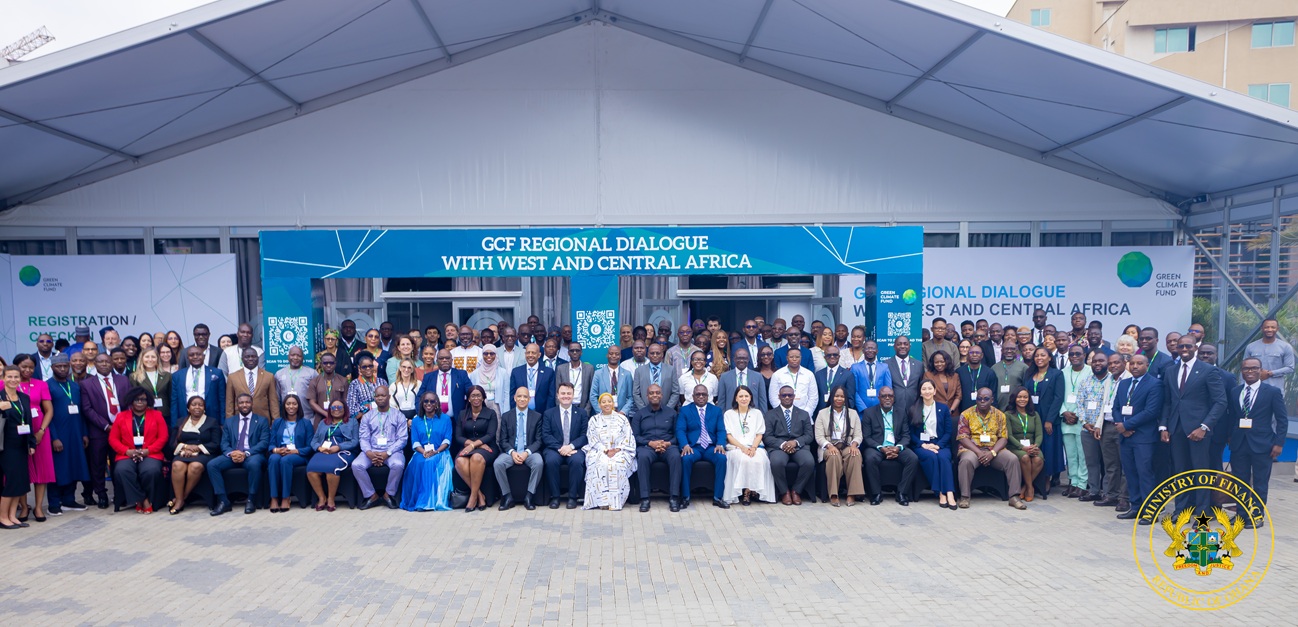
The four-day dialogue is bringing together government representatives, accredited entities and other regional stakeholders to discuss climate finance access and investment opportunities.
"Public finance cannot carry this agenda alone," Mr. Nyarko Ampem said, noting that government already had to finance critical sectors including education, healthcare, infrastructure, social protection and economic transformation within limited fiscal space.
He said the national budget should therefore not be the only engine driving climate investment, stressing the need for public resources to be used to unlock private capital.
"Our task is to use public resources to bring other engines on board," he said.
According to him, this required a shift from simply financing projects to mobilising capital, with public and concessional resources deployed to prepare bankable projects, reduce investment risks, improve commercial viability and provide appropriate guarantees to attract private investors.
He said Ghana must focus not only on the amount of climate finance secured but also on the additional investment that could be generated from such resources.
"We must also ask how much additional investment can every dollar or cedi of climate finance mobilise?" he said, describing the approach as a necessary shift "from disbursement to mobilisation, from expenditure to investment, and from climate finance to development finance."
Mr. Nyarko Ampem disclosed that Ghana's GCF portfolio currently comprised 13 projects with approximately US$209 million in GCF financing, alongside about US$5.7 million in approved readiness support.
"These initiatives demonstrate an important principle: Climate finance must not just protect the environment. It must also expand economic opportunity," he said.
Director of the Africa Region at the Green Climate Fund, Catherine Koffman praised Ghana's leadership and framed climate finance as integral to the continent's economic transformation, rather than a standalone environmental concern.
"Under the country's leadership, Ghana has taken concrete steps to embed climate finance as a strategic pillar of its economic transformation agenda," she said, citing the revised Climate Prosperity Planned the Climate-Resilient Investment Platform as evidence that Ghana is building "the institutional and economic architecture required to mobilize public, private, and catalytic capital at scale."
She highlighted that the GCF has committed more than US$20 billion globally, with Africa receiving close to 40% including US$2.9 billion committed to West and Central Africa through 80 projects and programmes, reaching millions of people, Noting that GCF Readiness support has invested over US$250 million across Africa, she said Africa must match this momentum with resources.
She called on contributors, development partners and financial institutions to deliver an ambitious outcome equal to both the challenge and the opportunity.